
“How long will it last?” is the second question every awning buyer asks — right after “how much?” Here’s the honest answer for Malaysian conditions: a well-made retractable awning lasts 5–10 years, with the fabric almost always wearing out before the frame. The difference between 5 years and 10 comes down to three things: fabric quality, storm habits, and a simple maintenance routine most owners never do.
Expected Lifespan by Component
A retractable awning isn’t one product — it’s four systems ageing at different rates:
| Component | Typical lifespan (Malaysia) | What ends it |
|---|---|---|
| Fabric (acrylic/polyester/canvas) | 5–8 years | UV fading, mildew, tearing at seams |
| Motor (motorised systems) | 7–10+ years | Electrical faults, overheating, lack of servicing |
| Arms & frame (aluminium/steel) | 10–15+ years | Storm damage, corrosion, bent arms left unrepaired |
| Sensors & remotes | 3–7 years | Battery neglect, water ingress, wiring faults |
The pattern is consistent: the fabric dies first, the frame outlives everything. That’s actually good news — it means a fabric replacement (typically a fraction of a full system) can give your awning a second life. More on that below.
What Shortens an Awning’s Life in Malaysia
Our climate is unusually harsh on outdoor fabric systems. These are the five killers, in order:
1. Leaving it extended in storms. The #1 cause of bent arms and torn fabric. Retractable awnings are sun shades, not storm shelters. A single monsoon gust can do more damage than three years of sun. If yours is motorised, a wind sensor is the cheapest insurance you’ll ever buy.
2. Retracting it wet. Rolling up a damp awning and leaving it for days breeds mildew and mould, which stain permanently and weaken fibres. Always let it dry fully before retracting — extend it on the next sunny morning if you were caught by rain.
3. UV exposure, year-round. Malaysia gets intense sun 12 months a year with no winter break. Solution-dyed acrylic fabrics resist fading far better than surface-printed polyester or canvas. If your fabric looks sun-bleached after 2–3 years, it was likely a lower-grade material.
4. Ignoring small problems. A slightly bent arm stresses the motor. A small tear grows every time the fabric rolls. A sensor that misbehaves gets “lived with” until the motor burns out fighting it. Almost every expensive repair we see started as a cheap fix months earlier.
5. No servicing. Moving parts need periodic lubrication; tracks collect dirt and debris; mounting bolts loosen with vibration and wind load. An annual check takes under an hour and catches nearly everything above.
The Maintenance Routine (Monthly + Seasonal)
You don’t need skills or tools beyond a soft brush, mild soap, and silicone lubricant. Follow this:
Monthly (10 minutes)
- Extend fully; brush off leaves, dust, and debris
- Check seams and stress points for early wear or loose stitching
- Test extend/retract — listen for grinding, clicking, or uneven movement
- Confirm mounting brackets feel firm (no wobble when gently pushed)
Every 3–6 months
- Wash fabric with low-pressure water + mild dish soap (no bleach, no harsh detergent), scrub gently outward from centre, rinse, and let dry completely before retracting
- Lubricate pivot points and moving joints with silicone-based spray
- Tighten any loose bolts or screws (don’t overtighten — stripped threads are worse)
- For motorised: check remote batteries, test wall switch, verify sensors respond
Before monsoon season
- Book a professional inspection — arms alignment, motor health, sensor calibration, fabric tension
- Confirm the wind/rain sensors trigger correctly
- Trim nearby branches that could whip the fabric in gusts
Do this and you’re already maintaining better than 90% of owners.
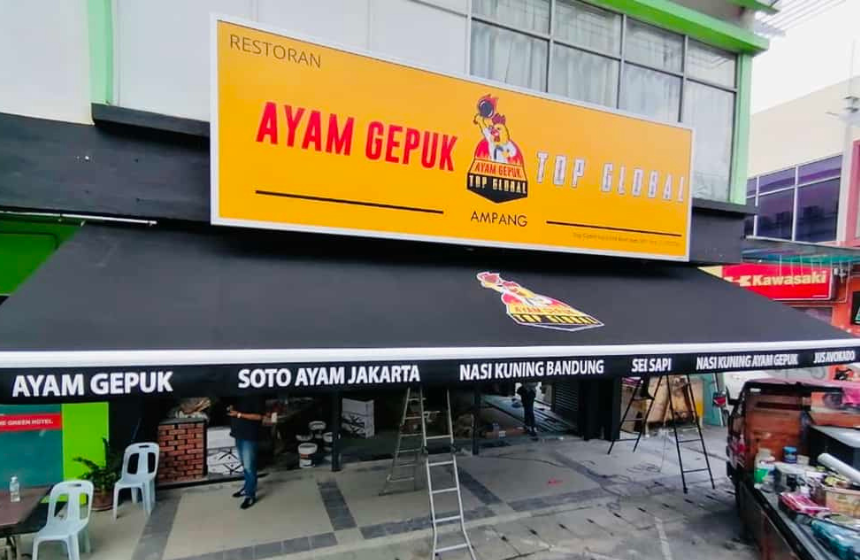
7 Warning Signs Your Awning Needs Attention
- Fading or sun-bleached patches — cosmetic at first, but UV-weakened fabric tears easily
- Pinholes visible against sunlight — fabric is thinning; replacement is approaching
- Seams separating or hems fraying — seams fail before the fabric field; act early
- Fabric flapping more than before — stretched fabric loses tension and wears faster
- Uneven extension (one side faster) — arm misalignment or track obstruction
- Motor humming but not moving — mechanical binding or gear/drive failure; stop using it and call a technician
- Sensor misbehaving (wrong-time retract, no response) — needs cleaning, recalibration, or replacement
Signs 1–4 point toward fabric replacement. Signs 5–7 point toward mechanical/electrical service. Our retractable awning repair page lists the exact components we stock — motors, receivers, gear boxes, roller tubes, arm sets, and fabrics — so most fixes don’t wait on parts.
Repair vs Replace: The Decision Framework
| Situation | Verdict |
|---|---|
| Fabric faded/torn but arms straight, motor healthy | Replace fabric — cheapest refresh, often good as new |
| Single fault (motor, sensor, gear box) on an otherwise sound system under ~8 years old | Repair — replace the failed part |
| Multiple failures at once (fabric + arms + motor) | Replace system — chasing faults costs more long-term |
| Widespread corrosion or bent structural parts | Replace system — safety issue, not cosmetic |
| Parts obsolete / unavailable | Replace system |
Rule of thumb: if the frame is sound, repair. If the frame is compromised, replace. A powerful new motor driving a bent arm is money thrown away — any honest supplier will tell you the same.
Can You Just Replace the Fabric?
Yes — and it’s the best-value refresh in the awning world. Replacement fabric slides into the existing roller-tube and front-bar tracks; the frame, arms, and motor stay put. It makes sense when the mechanics are healthy but the fabric is sun-beaten, stained, or torn.
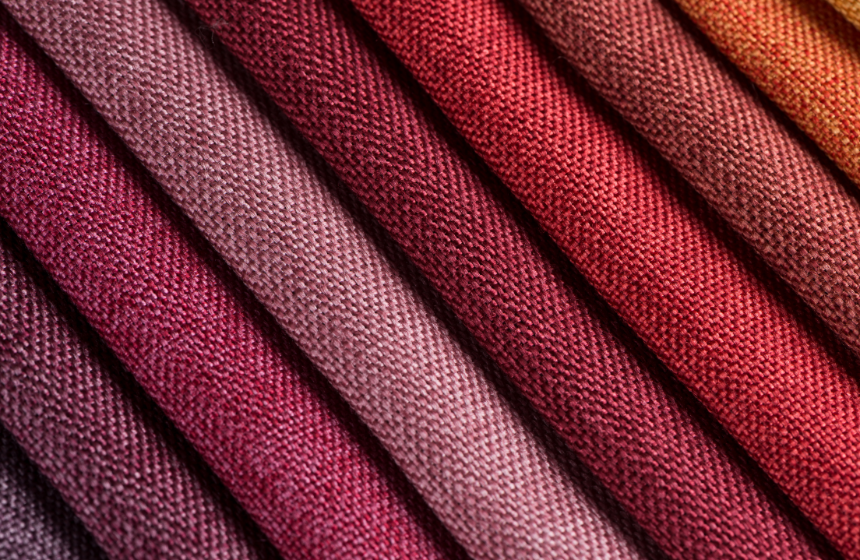
Consider upgrading the fabric grade at replacement time: moving from basic polyester to solution-dyed acrylic costs more once but doubles the next lifespan. Ask about UV-resistance ratings and mould/mildew treatment — in our humidity, both matter more than colour choice.
Frequently Asked Questions
How long does a retractable awning last in Malaysia’s climate?
Typically 5–10 years overall: fabric 5–8 years, motors 7–10+ years, frames 10–15+ years. Units left extended through storms or retracted wet routinely fail at the low end; maintained units reach the high end.
Is it worth repairing a 6-year-old retractable awning?
Usually yes, if the frame is straight and the fault is isolated (one motor, one sensor, or the fabric). Get a quote for the specific part before deciding — most single-part repairs cost far less than a new system.
How often should I service my retractable awning?
Monthly visual checks by you, plus a professional inspection once a year (ideally before monsoon season). Motorised systems benefit from sensor testing each quarter.
Can I clean the fabric myself?
Yes — mild soap, soft brush, low-pressure rinse, dry fully before retracting. Never use bleach or pressure washers; both destroy waterproof coatings and stitching.
Does warranty cover fabric fading?
Usually fading is classified as wear rather than defect, so check the exact terms. Structural defects, motor failure, and installation workmanship are the items warranties typically cover — get all three stated separately on your quote.
Keep Yours Alive Longer
The unglamorous truth: awnings don’t die of old age, they die of neglect. Retract before storms, dry before rolling, wash twice a year, and fix small faults while they’re small — and your system will be the one still going strong at year nine while the neighbour’s is being replaced at year five.
Not sure whether yours needs service, fabric, or full replacement? Send us a photo on WhatsApp and we’ll tell you honestly — including when the honest answer is “it’s fine, leave it alone.”
Call or WhatsApp 013-319 9319, or browse stocked spare parts and service options on our retractable awning supply & repair page. Still choosing between systems? Read our manual vs motorised guide first.